
Buy Fenbendazole for Dogs and Cats Online at the Best Price
| Drug Name | Fenbendazole (Panacur) |
|---|---|
| Dosage: | 150 mg, 222 mg, 444 mg, 500 mg |
| Best Price: | $1.38 Per Pill |
| Where to buy Online: | OnlinePharmacy |
Contents:
- What is Fenbendazole?
- Active Ingredient and Mechanism of Action
- Main Indications for Using Fenbendazole
- How to Use Fenbendazole: Dosages and Treatment Protocols
- Use of Fenbendazole in Dogs, Cats, and Other Animals
- What parasites does fenbendazole treat in animals
- How to calculate fenbendazole dosage by animal weight
- Fenbendazole forms: tablets, suspension, powder
- Possible Side Effects and Contraindications
- What Should Not Be Combined with Fenbendazole
- Price and Availability of Fenbendazole
- Generic Alternatives and Their Effectiveness
- How to Buy Fenbendazole Online Safely
- Can Fenbendazole Be Used in Humans?
- Do You Need a Prescription to Get Fenbendazole?
What is Fenbendazole?
Fenbendazole is a broad-spectrum benzimidazole anthelmintic originally developed for veterinary use. Its primary function is the elimination of parasitic worms in various animal species, including dogs, cats, horses, cattle, and even exotic animals. Structurally, it is part of the same pharmacological class as albendazole and mebendazole, sharing a similar mechanism of action and spectrum of activity.
Though originally restricted to veterinary medicine, fenbendazole has attracted off-label interest due to reports of its potential antiproliferative activity in cancer research, particularly among patients exploring alternative treatment protocols. However, its legal and clinical recognition remains limited strictly to antiparasitic applications, and no regulatory body has approved it for oncological use in humans.
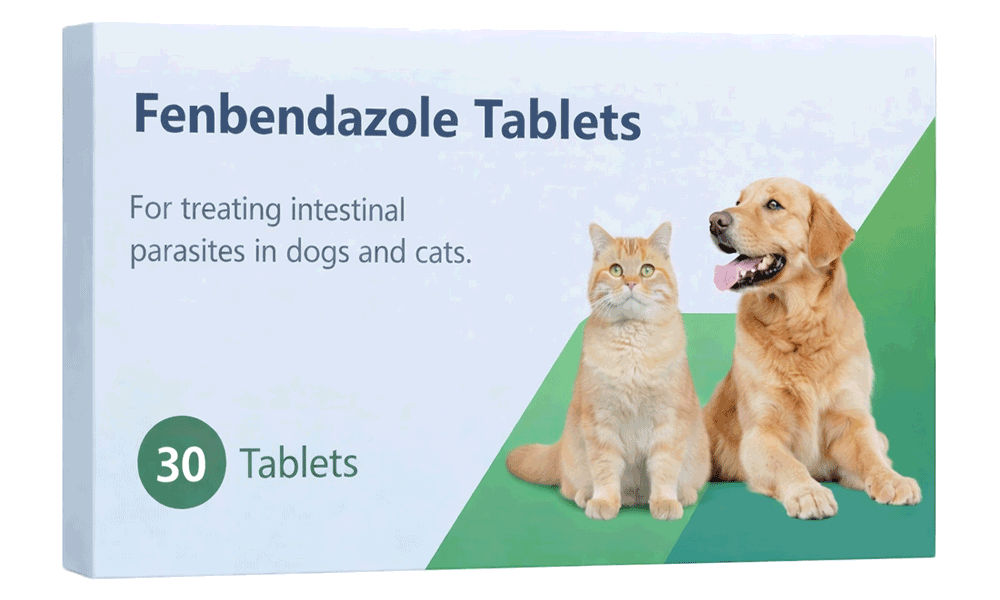
Fenbendazole is commonly marketed under trade names such as Panacur, Safe-Guard, and others depending on the manufacturer and formulation. It is available in oral formulations including suspensions, granules, and paste. Its administration is typically simple, making it a preferred choice in both domestic and farm settings. In addition to its efficacy, it is known for a favorable safety profile in most animals when used at recommended dosages.
Veterinarians routinely use fenbendazole for the treatment of gastrointestinal parasites such as roundworms (Toxocara spp.), hookworms (Ancylostoma spp.), whipworms (Trichuris vulpis), and certain tapeworms. It also shows effectiveness against some lungworm species and protozoan parasites like Giardia lamblia. The drug works slowly compared to some fast-acting antiparasitics, but its gentle action makes it particularly suitable for young or debilitated animals.
Its off-label use in exotic and zoo animals has also been documented, demonstrating its broad tolerance across species. Nevertheless, accurate species-specific dosing and veterinary supervision are essential due to variations in metabolism and susceptibility to benzimidazoles. Fenbendazole is not classified as a controlled substance and is often available over the counter in veterinary contexts, although professional consultation is always advised.
Active Ingredient and Mechanism of Action
Fenbendazole’s active ingredient is itself—fenbendazole, a synthetic compound belonging to the benzimidazole family. It works by selectively binding to β-tubulin, a structural protein that forms microtubules necessary for cell division and intracellular transport. By interfering with tubulin polymerization, fenbendazole disrupts essential cellular processes in parasitic worms, leading to energy depletion, inhibition of glucose uptake, and ultimately, death of the parasite.
This mode of action is particularly effective because it selectively targets parasite microtubules without significantly affecting the host cells. Mammalian β-tubulin has a lower binding affinity for benzimidazoles, which contributes to the safety margin in treated animals. In parasites, the disruption of glucose metabolism is lethal because they are highly dependent on glycolysis for survival.
Fenbendazole is considered a slow-acting anthelmintic. The parasites are not expelled immediately, but instead gradually die off and are removed naturally by the host organism over several days. This allows for minimal stress to the gastrointestinal system and reduces the risk of adverse reactions related to massive parasite die-off, such as toxin release or obstruction.
The drug also exhibits ovicidal properties, meaning it can affect the eggs of certain parasites, breaking the reproductive cycle. This characteristic is especially important for long-term control and prevention of reinfestation. It has proven effective against both larval and adult stages of many nematodes and some cestodes, contributing to its utility in both acute treatment and ongoing parasite management protocols.
Research has shown that fenbendazole has minimal systemic absorption when administered orally, with most of the drug remaining within the gastrointestinal tract—where the parasites reside. This localization enhances efficacy while minimizing systemic exposure. Some metabolic conversion to oxfendazole (an active metabolite) occurs, which also possesses antiparasitic activity and contributes to the extended efficacy period after dosing.
Main Indications for Using Fenbendazole
Fenbendazole is indicated for the treatment and control of a wide range of gastrointestinal and respiratory parasites in domestic animals. Its broad-spectrum activity covers nematodes (roundworms, hookworms, whipworms), certain cestodes (e.g., Taenia species), and protozoans such as Giardia. These indications are primarily relevant to dogs, cats, cattle, sheep, goats, pigs, horses, and exotic animals kept in captivity.
In dogs, fenbendazole is a frontline agent for routine deworming protocols, particularly for puppies and shelter animals at high risk of intestinal parasite burden. It is commonly used to eliminate Toxocara canis, Ancylostoma caninum, Trichuris vulpis, and Taenia pisiformis. Additionally, its efficacy against Giardia infections has made it a staple in managing protozoal diarrheal diseases in dogs.
Cats, though generally less frequently treated with fenbendazole due to alternative feline-specific options, may also benefit from it under veterinary guidance—especially in cases of mixed infections or when other anthelmintics are contraindicated. In horses and livestock, fenbendazole is a core component of herd and stable parasite management plans, often administered during seasonal deworming cycles or in response to fecal egg count surveillance.
Its use in ruminants includes control of Haemonchus contortus, Ostertagia ostertagi, Trichostrongylus, Cooperia, and Nematodirus species. The drug’s activity against larval stages also supports its role in preventing larval migration syndromes, which can be fatal in young or heavily infested animals. It is often employed as part of rotation programs to manage resistance among worm populations.
Veterinary protocols also recommend fenbendazole in exotic species like reptiles, zoo mammals, and birds. For example, it has been used to treat pinworm infections in reptiles and nematodes in captive primates. While off-label, such applications are backed by empirical experience and sometimes documented in veterinary literature.
Despite its veterinary focus, anecdotal reports have driven experimental and self-administered use of fenbendazole in humans, particularly in the context of parasitic infections and alternative cancer treatments. These uses remain unapproved and outside regulatory oversight, with potential legal and health implications.
How to Use Fenbendazole: Dosages and Treatment Protocols
Fenbendazole is administered orally and is available in several veterinary formulations: oral suspensions, granules, pastes, and chewable tablets. The choice of form depends on the species, body weight, and compliance of the animal. Standard dosing regimens vary by indication and animal type, but the drug is generally well-tolerated across all labeled uses.
For dogs, the most common protocol involves a dosage of 50 mg/kg once daily for three consecutive days. This regimen is effective against roundworms, hookworms, whipworms, and Taenia species. In cases of giardiasis, treatment duration is often extended to 5–10 days, depending on clinical response and veterinary recommendation. Fenbendazole can be mixed with food to enhance palatability and absorption.
In cats, dosing mirrors that of dogs but is less frequently used due to availability of feline-specific anthelmintics. When used, fenbendazole is dosed at 50 mg/kg for 3–5 days. Veterinary discretion is essential in feline protocols due to species sensitivity and variability in parasite burdens.
For horses, the standard fenbendazole dose is 5 mg/kg once daily for five days. A single-day treatment may be sufficient for routine deworming, but a five-day regimen is typically reserved for heavy infestations or when encysted strongyles (Cyathostomins) are suspected. Higher-dose "power pack" protocols (10 mg/kg for five days) are also used for larval migration stages or therapeutic clearing.
Ruminants such as cattle, sheep, and goats receive fenbendazole at 5 mg/kg as a single dose. Repeat treatments may be necessary for severe infestations or when environmental reinfection is likely. Due to resistance issues in farm settings, proper fecal egg count monitoring and rotation with other anthelmintics (e.g., ivermectin, levamisole) are essential to maintaining efficacy.
For off-label uses in exotic animals or wildlife, dosing is extrapolated based on body weight, species-specific metabolism, and the target parasite. These applications must be conducted under strict veterinary supervision due to the lack of formal pharmacokinetic data in these species.
Fenbendazole is typically safe even at higher-than-recommended doses, but overdose may lead to gastrointestinal upset, including vomiting, diarrhea, and appetite loss. The drug should always be used as part of a broader parasite control strategy that includes environmental sanitation and periodic monitoring through fecal testing.
Use of Fenbendazole in Dogs, Cats, and Other Animals
Fenbendazole is a cornerstone treatment in veterinary parasitology due to its wide safety margin, broad-spectrum efficacy, and flexible dosing protocols. In dogs, its primary indications include routine deworming, treatment of symptomatic intestinal parasitoses, and control of protozoal infections such as Giardia. Puppies, shelter animals, and dogs in high-density environments benefit the most from its use due to elevated risk of exposure to fecal-oral parasites.
The drug is effective against adult and larval stages of Toxocara canis, Ancylostoma caninum, Trichuris vulpis, and Taenia pisiformis. It is also frequently administered in multi-drug protocols for kennel cough when parasitic co-infection is suspected. In cases of giardiasis, fenbendazole demonstrates favorable tolerability compared to metronidazole, particularly in younger or sensitive animals.
Although less common in feline medicine, fenbendazole is occasionally used in cats for mixed or refractory helminth infections. Dosing and duration must be carefully managed, and alternatives like emodepside or praziquantel may be preferred depending on the parasite profile. In practice, cats are usually treated only when laboratory diagnostics confirm susceptibility to benzimidazole-sensitive species.
In horses, fenbendazole is widely used as part of rotational deworming programs. It effectively eliminates strongyles, pinworms, and Parascaris equorum. Encysted small strongyles require high-dose regimens over five consecutive days. Due to increasing anthelmintic resistance in equine parasites, veterinarians often integrate fenbendazole strategically rather than continuously. Fecal egg count reduction tests (FECRT) are recommended to assess efficacy post-treatment.
Ruminants receive fenbendazole for control of gastrointestinal strongyles and lungworms. It is effective against species such as Haemonchus contortus, Cooperia, and Ostertagia. Because benzimidazole resistance is widespread in livestock parasites, responsible administration and herd monitoring are critical. Fenbendazole is also used off-label in camelids and deer with veterinary oversight.
Exotic and zoo animals—reptiles, birds, and small mammals—also benefit from fenbendazole under specialist care. In reptiles, it treats pinworms and ascarids; in birds, it helps control Ascaridia, Capillaria, and Heterakis. Dosing in these species is highly individualized, and veterinary pharmacology references or direct pharmacokinetic modeling are often required.
The overall success of fenbendazole in multi-species veterinary use is attributed to its low systemic absorption, selective toxicity toward parasites, and minimal side effects. It remains one of the most trusted and versatile antiparasitics in clinical veterinary practice worldwide.
What parasites does fenbendazole treat in animals
Fenbendazole is a broad-spectrum antiparasitic agent widely recognized for its ability to target a diverse range of internal parasites affecting domestic animals. Its pharmacological profile is based on selective interference with parasite metabolism, particularly by disrupting microtubule formation, which leads to impaired nutrient absorption and eventual death of the parasite. This mechanism allows fenbendazole to effectively act against both mature and developing parasitic stages, providing comprehensive intestinal protection in animals such as dogs, cats, and livestock.
Among the most common parasites treated with fenbendazole are gastrointestinal nematodes, including roundworms such as Toxocara canis and Toxocara cati, which frequently infect young animals. These parasites are known for causing digestive disturbances, malnutrition, and impaired growth. Fenbendazole demonstrates high efficacy against these organisms by interrupting their biological processes at a cellular level, making it a reliable option for maintaining intestinal health across various species.
Hookworms, including Ancylostoma and Uncinaria species, are also highly susceptible to fenbendazole treatment. These parasites attach to the intestinal lining and feed on blood, potentially leading to anemia and weakness in affected animals. Fenbendazole acts by gradually eliminating these parasites from the gastrointestinal tract, supporting recovery and restoring normal physiological function without causing excessive stress to the host organism.
Another important category includes whipworms such as Trichuris vulpis, which are known for their persistence and resistance to some antiparasitic agents. Fenbendazole has demonstrated consistent effectiveness against whipworm infections, particularly when used in structured treatment protocols. Its ability to disrupt parasite reproduction further contributes to reducing reinfection cycles within animal populations.
Fenbendazole also exhibits activity against certain cestodes, including Taenia species, although its effectiveness may vary depending on the specific parasite and formulation used. In addition, it has been noted for its role in managing protozoal infections such as Giardia, where it contributes to reducing parasite load and improving gastrointestinal stability. This extended spectrum enhances its value in multi-parasite environments.
The versatility of fenbendazole in targeting multiple parasite classes makes it a cornerstone of veterinary parasite control strategies. Its safety profile and broad efficacy range allow it to be used across different animal species and age groups, supporting both therapeutic and preventive approaches in managing parasitic infections.
How to calculate fenbendazole dosage by animal weight
Accurate dosage calculation is a fundamental aspect of effective fenbendazole use, as its therapeutic success depends on delivering an appropriate amount of active substance relative to the animal’s body weight. The standard dosing approach is typically expressed in milligrams per kilogram, ensuring that each animal receives a consistent and effective concentration regardless of size or species. This weight-based system provides flexibility across a wide range of veterinary applications.
In most cases, a commonly referenced dosage for dogs and cats is approximately 50 mg per kilogram of body weight per day. This standardized framework allows for predictable pharmacokinetics, ensuring that sufficient drug levels are maintained within the gastrointestinal tract to target parasites effectively. The duration of administration often extends over several consecutive days, depending on the type of parasite being addressed.
Calculating the correct dose involves determining the exact weight of the animal and applying the appropriate conversion based on the formulation being used. For example, when using tablets, the total required milligrams are divided by the strength of each tablet to determine the number of units administered. In liquid formulations, the concentration in mg per ml is used to measure the precise volume needed.
Variations in dosage protocols may occur depending on the specific parasite involved. Some infections require extended treatment durations or repeated courses to ensure complete eradication. This is particularly relevant in cases of whipworm or Giardia infections, where parasite life cycles necessitate sustained exposure to the active compound for optimal results.
The flexibility of fenbendazole formulations supports precise dosing adjustments, allowing for tailored administration across different animal sizes, from small companion pets to larger livestock. This adaptability contributes to its widespread use in veterinary practice, as it accommodates diverse treatment scenarios without compromising effectiveness.
Consistency in dosage calculation plays a critical role in maximizing the therapeutic benefits of fenbendazole. Proper alignment between body weight, formulation strength, and treatment duration ensures reliable parasite control while maintaining a favorable safety profile across various animal populations.
Fenbendazole forms: tablets, suspension, powder
Fenbendazole is available in multiple pharmaceutical forms, each designed to meet the practical needs of different animal species and treatment conditions. The most commonly used forms include tablets, oral suspensions, and powders, all of which contain the same active ingredient but differ in concentration, administration method, and ease of use. This variety enhances accessibility and allows for flexible integration into routine animal care.
Tablet formulations are widely favored for their convenience and precise dosing capabilities. They are typically manufactured in fixed strengths, enabling straightforward calculation based on the animal’s weight. Tablets are often used in companion animals such as dogs and cats, where controlled administration is feasible and consistent dosing is essential for effective parasite elimination.
Oral suspensions provide a liquid alternative that is particularly useful for smaller animals or those that may have difficulty consuming solid forms. These formulations are usually available in concentrations such as 2.5 percent or 10 percent, allowing for accurate measurement of the required dose using calibrated devices. Suspensions offer enhanced flexibility in dosing adjustments and are commonly utilized in both companion and farm animals.
Powder formulations, including granules, are frequently used in large-scale animal management, especially in livestock and poultry. These forms can be mixed with feed, enabling simultaneous treatment of multiple animals. This approach simplifies administration in environments where individual dosing is impractical, while still ensuring effective distribution of the active compound across the population.
Each form of fenbendazole is designed to maintain stability and bioavailability, ensuring that the active ingredient remains effective throughout the treatment process. The choice of formulation often depends on factors such as animal size, feeding behavior, and the logistical aspects of administration within a given setting.
The availability of multiple dosage forms underscores the adaptability of fenbendazole as a veterinary antiparasitic agent. By offering diverse administration options, it supports efficient parasite control strategies across a wide range of animal species, contributing to its continued relevance in modern veterinary care.
Possible Side Effects and Contraindications
Fenbendazole is widely regarded as a low-toxicity anthelmintic with a strong safety profile across multiple species. Its mechanism of action targets parasitic β-tubulin while sparing mammalian cells, resulting in a high therapeutic index. However, side effects can still occur, especially in cases of overdose, hypersensitivity, or heavy parasite loads that trigger systemic reactions upon die-off.
The most commonly reported side effects include:
- temporary loss of appetite;
- vomiting or mild gastrointestinal upset;
- soft stool or transient diarrhea;
- lethargy or decreased activity following administration;
- rare cases of allergic reactions (e.g., itching, facial swelling);
- signs of systemic inflammation in response to mass parasite die-off (fever, abdominal discomfort).
These symptoms are usually mild, self-limiting, and resolve within 24–72 hours without intervention. In most clinical settings, no additional treatment is required unless secondary complications arise.
In rare cases, particularly with off-label or high-dose use, hepatotoxicity or hematologic changes have been observed in laboratory animals. While these effects are not common in clinical practice, they highlight the importance of following evidence-based dosage guidelines and veterinary supervision.
Contraindications for fenbendazole include known hypersensitivity to benzimidazole compounds and severe hepatic dysfunction. Animals with advanced liver disease may have impaired metabolism and clearance of the drug’s active metabolites, increasing the risk of accumulation and systemic toxicity.
In breeding animals, fenbendazole is generally considered safe, although reproductive toxicity has not been fully studied in all species. Pregnant dogs and cats have received fenbendazole without significant teratogenic effects in most reports, but caution is still advised, especially during the first trimester. It is not recommended for use in extremely young animals (under two weeks old) unless directed by a veterinarian.
Off-label use in humans has not been evaluated for long-term safety. Individuals self-administering fenbendazole assume unknown risks, including unpredictable interactions, excipient toxicity, and allergic responses.
What Should Not Be Combined with Fenbendazole
Fenbendazole has minimal documented drug-drug interactions in veterinary applications, primarily due to its low systemic absorption and narrow pharmacologic action. However, certain combinations should be approached with caution to avoid diminished efficacy, increased toxicity, or unpredictable pharmacokinetic behavior.
The following categories of substances are not recommended for concurrent use with fenbendazole without veterinary guidance:
- Other benzimidazoles: Combining fenbendazole with albendazole, mebendazole, or oxfendazole may increase the risk of cumulative toxicity or liver enzyme alterations, especially in repeated or high-dose protocols.
- Hepatotoxic drugs: Drugs with known liver toxicity (e.g., ketoconazole, phenobarbital, azole antifungals) may stress hepatic metabolism, increasing the risk of adverse events, particularly in animals with compromised liver function.
- Antiprotozoals: When treating Giardia, co-administration with metronidazole should be timed appropriately to avoid GI distress. Sequential therapy is usually more effective than simultaneous administration.
- Corticosteroids or immunosuppressants: These may reduce the immune system’s ability to respond to parasitic die-off, potentially prolonging infection or masking symptoms.
- Veterinary vaccines: Deworming with fenbendazole should not coincide with live vaccine administration, as immune responses may be affected by parasitic burden shifts or metabolic competition.
Though no significant food-drug interactions have been recorded, fenbendazole is more effective when administered with food, especially fatty meals, which improve gastrointestinal absorption and prolong local activity. In fasting animals, absorption may be reduced, particularly for protozoal infections like Giardia that require higher tissue-level exposure.
In humans self-administering the veterinary product, the biggest concern is not pharmacological interactions but contamination with excipients not intended for human consumption, such as artificial flavorings or binders. These inactive ingredients may cause reactions, particularly in people with allergies, autoimmune conditions, or gastrointestinal sensitivities.
In clinical settings involving livestock or performance animals, withdrawal times must be respected to avoid drug residues in meat, milk, or eggs. Concomitant use of other agents that alter metabolism (e.g., enzyme inducers) may affect residue clearance rates and violate safety regulations.
Price and Availability of Fenbendazole
Fenbendazole is available over-the-counter in many countries as a veterinary medication. It is commonly sold under brand names such as Panacur, Safe-Guard, and other generic equivalents. The drug is widely distributed through veterinary pharmacies, agricultural supply chains, and online retailers, with pricing determined by brand, dosage form, and package volume.
Average retail prices in the United States (as of 2025) are as follows:
- Fenbendazole 222 mg tablets (Safe-Guard, 3-pack): $7–$15
- Fenbendazole oral suspension 10% (100 mL bottle): $25–$40
- Panacur C granules (3-day dose for 20 lb dog): $10–$18
- Equine paste (25 g, 10%): $7–$12 per syringe
Generic fenbendazole products are often significantly cheaper than branded equivalents and may be sourced in bulk for farm use. Agricultural formulations (for cattle, sheep, goats) typically come in liter-scale containers and are priced accordingly. These large-scale products are not intended for small pets or precision dosing.
Availability is broad in North America, Europe, Australia, and much of Asia. In most countries, no prescription is required for standard veterinary formulations, although this may vary based on local regulations. Online platforms often offer international shipping, but caution is necessary due to counterfeit risks and regulatory issues with customs clearance.
Prices may also vary depending on the intended species. Products marketed for equine or canine use are often priced higher than livestock formulations due to packaging and branding. Buyers should verify concentration, excipients, and dosing units before purchase, as errors can lead to underdosing or toxicity.
Veterinary professionals generally advise sourcing fenbendazole from reputable pharmacies or licensed distributors, particularly when treating companion animals or using the drug off-label. When purchasing online, buyers should avoid platforms without batch tracking, expiration dates, or certificates of analysis.
In recent years, interest in fenbendazole among human consumers—especially cancer patients—has created parallel demand and occasional shortages. This has led some suppliers to raise prices or limit retail access to veterinarians only. As a result, gray-market resellers and black-market fakes have emerged, making quality control a significant concern.
Generic Alternatives and Their Effectiveness
Fenbendazole is a generic compound, and multiple pharmaceutical companies manufacture equivalent products under various trade names. These include both veterinary brands and bulk raw powder suppliers. The effectiveness of generic fenbendazole is generally equivalent to that of branded versions when manufactured according to established quality standards. However, differences in formulation, concentration, and excipients can influence ease of administration and bioavailability.
Prominent generic products include:
- Panacur C (Merck Animal Health): One of the most widely recognized branded versions for dogs, available as granules in three-day deworming packs.
- Safe-Guard (Merck for livestock): A formulation identical to Panacur but marketed for cattle, goats, sheep, and horses.
- Happy Jack, Durvet, Bimeda, Sentry HC: Common generic suppliers offering similar dosing and efficacy, often at lower prices.
- Pure fenbendazole powder: Sold by compounding pharmacies and chemical suppliers, especially for use in research, exotic animals, or off-label applications.
The active ingredient in all these products is fenbendazole, usually at concentrations of 22.2%, 10%, or 2.5%, depending on species and intended use. As long as the manufacturing process adheres to GMP or veterinary compliance standards, therapeutic equivalence is preserved. However, inferior generics produced without regulatory oversight may contain inaccurate dosing, harmful excipients, or contaminants.
When comparing generics, several factors should be assessed:
- Verified concentration: Confirm the mg/mL or mg/g value on the label and ensure it matches recommended veterinary doses.
- Excipient profile: Avoid products with artificial flavors or colorings not intended for your target species, especially for off-label or human use.
- Manufacturer reliability: Choose companies with traceable batch numbers and transparent quality assurance practices.
- Regulatory labeling: Legitimate veterinary generics include clear species targets, dosing instructions, withdrawal times, and expiry dates.
For cost-sensitive consumers, especially in farm settings, generics are an economically sound alternative. In companion animal treatment, the convenience of palatable formulations and pre-measured doses often justifies the slightly higher cost of branded products. The efficacy remains comparable if the drug is administered correctly.
In unregulated or gray markets—particularly online or international sources—buyers should be cautious. Some products labeled as "generic fenbendazole" may be research-grade chemicals not suitable for animal or human use. Always verify the source and documentation before administering any generic version of fenbendazole.
How to Buy Fenbendazole Online Safely
Purchasing fenbendazole online is common among pet owners, farmers, and even individuals seeking off-label use. While online pharmacies and veterinary supply chains offer convenience and competitive pricing, the risk of counterfeit or substandard products is significant. Ensuring safety requires careful selection of source, verification of legitimacy, and understanding of legal considerations.
Key criteria for safe online purchasing:
- Use verified veterinary pharmacies: Platforms such as Chewy, Valley Vet, 1800PetMeds, and Tractor Supply offer FDA-registered products with batch tracking and expiration dates.
- Avoid third-party marketplaces: Amazon, eBay, and AliExpress are high-risk sources for counterfeit medications. Products may be repackaged, expired, or mislabeled.
- Look for regulatory compliance: A valid product should list the NADA (New Animal Drug Application) number, species indication, dosing instructions, and manufacturer information.
- Check packaging integrity: Do not use products with broken seals, damaged boxes, or labels lacking English-language regulatory information.
- Request documentation if in doubt: Reputable sellers provide certificates of analysis (CoA), lot numbers, and customer support contact information.
Prices online vary depending on source and packaging. Bulk livestock formulations are cheaper per gram but require precise measurement tools for smaller animals. Products for dogs and cats, such as Panacur C, are often more expensive but easier to dose accurately.
International buyers should be aware of customs restrictions. In some countries, importing fenbendazole—even for veterinary use—requires documentation or veterinary prescriptions. Seizure or rejection at the border is a risk if these regulations are not followed.
For off-label or experimental human use, the legal status is complex. Fenbendazole is not approved for human consumption, and any personal use carries legal and health risks. Online sellers targeting this niche often operate without oversight, and their products may be mislabeled, improperly dosed, or contain unsafe excipients.
To minimize risk:
- Buy only veterinary-labeled products from licensed pharmacies.
- Cross-check manufacturer names against known veterinary suppliers.
- Be skeptical of websites making medical claims about fenbendazole curing cancer or viral diseases—these are illegal and unsubstantiated.
In summary, fenbendazole can be purchased online safely if sourced from legitimate veterinary suppliers. Avoid anonymous sellers, poorly labeled packaging, or aggressive medical marketing. When in doubt, consult a veterinarian or pharmacist with experience in antiparasitic medications to verify product authenticity and dosing accuracy.
Can Fenbendazole Be Used in Humans?
Fenbendazole is not approved for human use by the FDA, EMA, or any other major health authority. However, its off-label and experimental application in humans—especially in oncology contexts—has gained underground popularity following anecdotal reports of cancer regression. Despite growing public interest, no randomized clinical trials have validated fenbendazole's safety or efficacy in humans for any condition.
Self-experimentation with fenbendazole poses significant risks. Veterinary formulations are not manufactured under GMP conditions for human use, and excipients may not be safe for oral administration in people. Furthermore, long-term toxicity, immunological reactions, or interactions with existing cancer treatments remain unknown. Without clinical oversight, such use is both medically and legally questionable.
Do You Need a Prescription to Get Fenbendazole?
In most countries, fenbendazole does not require a prescription when purchased for veterinary use. It is widely available over-the-counter (OTC) in pet stores, farm supply outlets, and online veterinary pharmacies. However, this status applies strictly to products labeled and dosed for animals. The situation becomes more complex when discussing off-label or human use.
United States
In the U.S., fenbendazole is classified as a veterinary drug and is available without a prescription. Products like Panacur C (for dogs), Safe-Guard (for livestock), and equine paste versions can be purchased freely online or in stores. There is no requirement to provide proof of veterinary consultation for standard antiparasitic formulations.
However, using fenbendazole in humans is not FDA-approved, and no product containing it is legally sold for human consumption. Any attempt to market or import fenbendazole for human use may face regulatory action. Nonetheless, some individuals still source veterinary versions for off-label purposes, which is legal in some states for personal use but done at their own risk.
Canada, UK, Australia
- Canada: Veterinary fenbendazole is OTC. Human use is unapproved.
- UK: Most equine and pet formulations are sold without a prescription through licensed vendors. Professional advice is recommended.
- Australia: Available without prescription in veterinary supply chains. Regulated under agricultural schedules but accessible for farm and companion animal use.
European Union
In the EU, veterinary fenbendazole is regulated but generally available OTC for approved animal uses. Some member states may require prescription depending on the species or intended treatment (e.g., food-producing animals). Online pharmacies based in the EU often ship without needing a prescription for household pets.
Conclusion
For veterinary use, fenbendazole is an over-the-counter drug in nearly all jurisdictions. For human use, it is unapproved and requires no prescription simply because no legal human product exists. Any purchase for personal, non-animal use is unofficial and at the buyer’s discretion, often relying on veterinary-labeled versions.